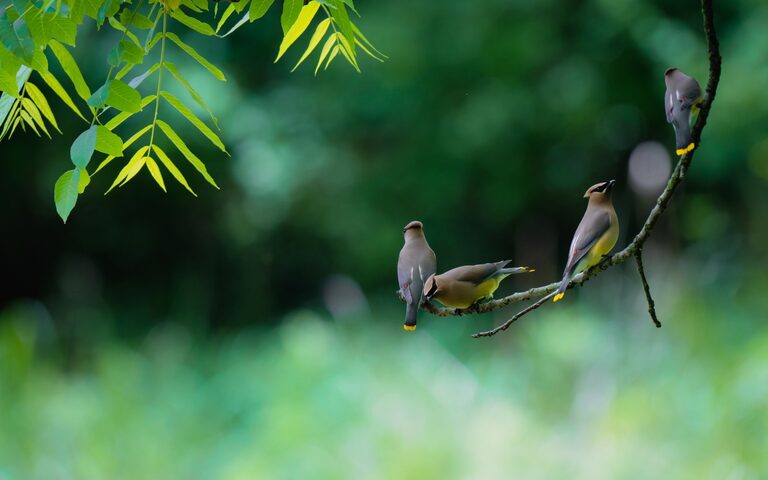
Birdwatching is a relaxing and rewarding way to connect with nature, and the best part is you don’t need to travel far to get started. Your own backyard can become a front-row seat to the fascinating world of birds. If you’re new to this hobby, the following beginner tips will help you attract birds, identify them, and enjoy your birdwatching experience to the fullest.
Why Backyard Birdwatching?
Backyard birdwatching offers an easy, affordable way to explore local wildlife. It encourages mindfulness and observation, making it a great activity for all ages. Plus, it helps support bird conservation by increasing awareness of local bird species and their habitat needs.
Setting Up Your Backyard for Birdwatching
1. Choose the Right Location
Find a quiet spot in your yard where you can place feeders, birdbaths, or nesting boxes. Near a window or a porch with a good view of trees or bushes works well. Make sure it’s a place free from heavy traffic or loud noises to avoid scaring birds away.
2. Provide Food Sources
Offering food is one of the easiest ways to attract birds. Different birds prefer different types of food, so consider providing a variety:
– Seeds: Black oil sunflower seeds attract many common backyard birds.
– Suet: Great for woodpeckers and nuthatches.
– Nectar: Use for hummingbirds, especially in warmer months.
– Fruits: Offer sliced apples, oranges, or berries for fruit-loving birds.
Using multiple feeder types, such as tube feeders, platform feeders, and suet cages, will attract a wider range of bird species.
3. Set Up Water Features
Birds need fresh water for drinking and bathing. A birdbath can be a wonderful addition to your yard, but remember to change the water regularly to keep it clean and safe.
4. Provide Shelter and Nesting Options
Native plants, shrubs, and trees offer shelter and natural food sources. You can also hang birdhouses or nesting boxes suited for local species. Avoid places too close to heavy human activity to give birds a safe environment.
Tools and Tips for Bird Identification
1. Use a Field Guide or App
A field guidebook or a bird identification app on your phone can help you learn about the species visiting your yard. Look for information on size, color, behavior, and song to identify birds.
2. Invest in Binoculars
A simple pair of binoculars will let you see details more clearly without disturbing the birds. Look for binoculars labeled as “compact” or “beginner-friendly” if you are just starting out.
3. Keep a Bird Journal
Recording your observations helps you notice patterns and improves your bird identification skills. Note the date, time, weather, and the types of birds you see.
Best Practices for Respectful Birdwatching
– Keep a safe distance: Avoid approaching or startling birds.
– Avoid using flash photography: It can frighten birds and disrupt their behavior.
– Clean feeders and birdbaths regularly: This prevents disease.
– Use native plants: They support local ecosystems better than non-native species.
Common Birds You Might Spot
Depending on your location, here are some birds commonly seen in backyards:
– Northern Cardinal: Bright red male, easy to spot year-round.
– American Robin: Familiar with its orange belly and cheerful song.
– Blue Jay: Known for its striking blue plumage and loud calls.
– Chickadee: Small, friendly birds with black caps.
– Mourning Dove: Soft gray birds with gentle cooing sounds.
Explore local birdwatching groups or online sites to learn about native species in your area.
Final Thoughts
Backyard birdwatching is a wonderful way to bring the outdoors closer to you. Starting with simple steps like providing food and water, observing patiently, and learning about your feathered visitors can make your birdwatching journey enjoyable and fulfilling. Remember, patience and respect for wildlife will reward you with memorable birds and moments.
Happy birdwatching!