
Cleaning up after dinner can often feel like a daunting task, especially after a long day. Fortunately, with a few smart strategies, you can make the process quicker and less tiresome. Whether you’re cooking for yourself or a family, these easy tips will help streamline dinner cleanup and give you more time to relax.
1. Prepare Your Space Before Cooking
One of the best ways to make dinner cleanup easier is to start with an organized kitchen.
– Clear countertops: Remove unnecessary items from your cooking area to minimize clutter and make wiping down surfaces simpler.
– Gather supplies: Have dish soap, sponges, towels, and trash bags within reach before you start cooking.
– Use designated bins: Set up a compost or trash bin nearby to dispose of scraps and packaging immediately.
By preparing ahead, you reduce mess and speed up cleaning once the meal is over.
2. Cook with Fewer Dishes in Mind
Each pot, pan, and bowl adds to your cleanup time. Consider cooking methods and recipes that require less equipment.
– One-pot meals: Recipes like stews, casseroles, or stir-fries cooked in one pan limit the number of dishes used.
– Sheet pan dinners: Roasting protein and vegetables together on a single baking sheet simplifies cooking and cleanup.
– Reuse utensils and bowls: While safe, using the same measuring cup or mixing bowl for multiple ingredients reduces extra washing.
When you consciously limit the number of items you use, it drastically cuts down the time spent cleaning.
3. Clean as You Go
Rather than waiting until after dinner, try tidying up throughout the cooking process.
– Wash chopping boards and knives after use: This prevents buildup and keeps your workspace clear.
– Rinse and stack dishes immediately: Soaking pots and spoons as you cook makes scrubbing easier later.
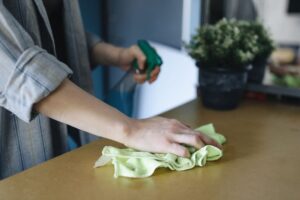
– Wipe spills promptly: Quick cleanup prevents stains and sticky residues from setting.
This habit keeps the kitchen manageable and prevents overwhelming messes.
4. Use Dishwasher Efficiently
Dishwashers can be a major help, but only if you use them effectively.
– Load with care: Arrange plates, utensils, and cookware so water reaches every surface.
– Scrape, don’t rinse: Most dishwashers perform best when food residues are scraped off but not pre-rinsed.
– Run full loads: Maximize efficiency and save water and energy by only running the dishwasher when it’s full.
If your dishwasher isn’t large enough for all pots and pans, soak the items needing handwashing right away.
5. Enlist Help from Family or Housemates
Cleaning is easier and faster when shared among everyone at home.
– Divide tasks: Assign setting the table, clearing plates, washing dishes, or wiping counters.
– Make it fun: Play music or turn cleanup into a group activity to lighten the mood.
– Teach kids responsibility: Encouraging children to help teaches good habits and lightens your load.
Teamwork during and after dinner makes the whole experience smoother.
6. Use Cleaning Shortcuts and Tools
Certain tools and products can make cleaning simple and effective.
– Non-stick cookware: These pans generally require less scrubbing.
– Silicone mats or liners: Placing these on baking sheets reduces stuck-on food and speeds cleanup.
– Multi-surface cleaners and wipes: These save time wiping down counters and tables.
Investing in a few practical kitchen tools can pay off in saved effort.
7. Establish a Routine
Having a consistent after-dinner cleanup routine helps it become a habit.
– Set a timer: Spend a set amount of time (such as 15 minutes) cleaning immediately after eating.
– Stick to the routine: Routine prevents procrastination and makes the task less overwhelming.
– Reward yourself: Plan a small treat or relaxation time once cleanup is done.
With regular practice, cleanup becomes a quick and natural part of dinner time.
8. Simplify Your Dinner Menus
Sometimes choosing simpler recipes can lead to less mess.
– Fewer courses: Skip multiple side dishes or complicated recipes on busy days.
– Pre-prepared ingredients: Use pre-chopped vegetables or ready-to-cook proteins to reduce mess.
– Minimal seasoning: Limiting the number of sauces or spices used can reduce splatters.
By focusing on simple meals, you reduce the number of dirty dishes and ease cleanup.
—
Final Thoughts
Dinner cleanup doesn’t have to be stressful or time-consuming. With a bit of planning, smart cooking methods, and efficient habits, you can make tidying up a breeze. Start small by choosing one or two tips to try, and soon you’ll find dinner cleanup becoming one of the easier parts of your routine. Happy cooking and cleaning!